
150 research primates got diarrhea, flooding lab with priceless vaccine data
A prolonged gastrointestinal illness outbreak that affected over 150 non-human primates at a Wisconsin research center has unexpectedly provided scientists with a wealth of vital immunological data.
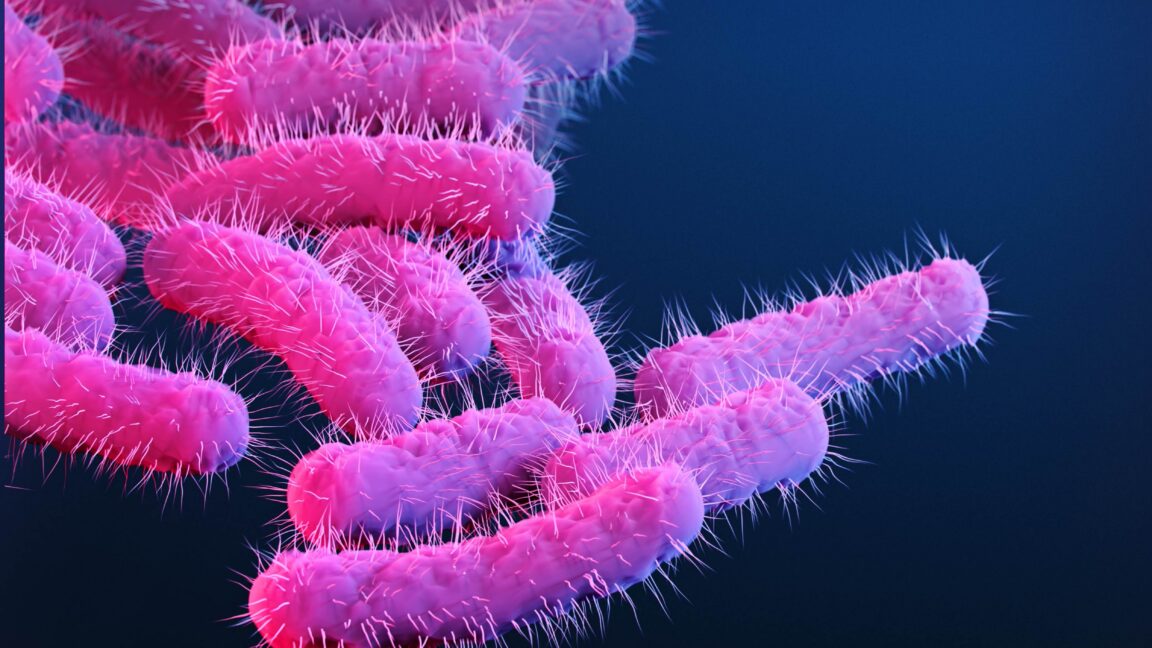
This unusual event has given researchers a unique opportunity to study how the body fights off Shigella, a severe bacterial infection that strikes hundreds of millions of people annually and causes hundreds of thousands of deaths, particularly among young children. By carefully analyzing blood and tissue samples collected from the infected primates over several weeks, the scientific team was able to map the exact pathways and mechanisms the immune system utilizes to combat the pathogen.
The research team focused their analysis on how specific antibodies interacted with key structures of the Shigella bacteria, including its outer membrane and the molecular syringe apparatus used to infect host cells. They discovered that some antibodies developed the ability to target multiple strains of the bacteria, a critical requirement for a universally effective vaccine. Furthermore, the scientists pinpointed the exact molecular locations where protective antibodies bind to the bacterial proteins, providing vaccine designers with highly precise targets. These findings offer a promising blueprint for creating a sophisticated, broad-spectrum vaccine capable of defending against increasingly drug-resistant bacterial strains.
Summary generated September 4, 2026. AI summaries can make mistakes.
Read Original on Ars TechnicaCategory
Topic (AI-estimated)
AI & Machine Learning
10% confidence
ML Research
This category is an AI-estimated classification based on the article's content and may not be fully accurate.
Sentiment
Sentiment
Positive


